A weight loss meal plan for a week is simply seven days of ordinary meals that add up to fewer calories than you burn. The one below gives about 1,500 kcal a day: breakfast, lunch, a snack and dinner from everyday foods, with every portion in grams. For many adults whose maintenance is around 2,000 kcal, that is a deficit of about 500 kcal a day, which fits the NHS advice to aim for 0.5 to 1 kg of weight loss a week. If your needs are higher, you keep the same menu and make the portions bigger; you do not need a different diet.
So the plan has two steps: check which calorie level is right for you, then cook the week below or scale it to your level.
Step 1: pick your calorie level
The NHS gives 2,000 kcal a day for an average woman and 2,500 kcal for an average man, but your own number depends on age, weight, height and activity. Work it out with the guide on how many calories you need a day, then subtract a moderate deficit as described in the calorie deficit guide. Use the menu like this:
- Your target is about 1,500 kcal: cook the week exactly as written.
- Your target is 1,700 to 2,000 kcal: add a second snack (yogurt, fruit or a slice of whole grain bread with cheese) and increase the grains at lunch and dinner by 50 to 100 g.
- Your target is lower than 1,500 kcal: drop the snack or halve the grains at dinner, and check the 1,300 kcal meal plan. Do not cut lower than your calculation gives: a bigger deficit is harder to keep and does not make the fat go faster in the long run.
7-day weight loss menu at about 1,500 kcal
Calories are approximate and calculated from USDA FoodData Central values per 100 g. Grains, pasta and potatoes are weighed boiled, meat and fish cooked. Drinks are water, tea or coffee without sugar.
| Day | Breakfast | Lunch | Snack | Dinner | About kcal |
|---|---|---|---|---|---|
| Monday | Oats 50 g (dry) cooked in water, Greek yogurt 0% 150 g, banana 100 g | Chicken breast 120 g, buckwheat 180 g, cucumber and tomato salad 200 g with olive oil 10 g | Apple 150 g, walnuts 15 g | Baked salmon 150 g, broccoli 250 g, whole grain bread 40 g | 1,530 |
| Tuesday | 2 eggs, whole grain bread 50 g, tomatoes 150 g | Lentils 250 g with carrot 100 g and oil 10 g, whole grain bread 40 g | Low-fat cottage cheese 150 g, berries 150 g | Chicken breast 130 g, brown rice 150 g, zucchini 200 g with oil 5 g | 1,460 |
| Wednesday | Low-fat cottage cheese 200 g, banana 100 g, walnuts 10 g | Canned tuna in water 120 g, potatoes 250 g, cabbage salad 150 g with oil 10 g | Kefir 1% 250 ml, pear 150 g | Turkey breast 150 g, buckwheat 200 g, bell pepper 150 g with oil 10 g | 1,510 |
| Thursday | Oats 50 g (dry) cooked in 200 ml milk 1%, apple 150 g | Chicken breast 120 g, whole wheat pasta 150 g, tomatoes 150 g, mozzarella 25 g | Greek yogurt 0% 150 g, almonds 15 g | Baked cod 180 g, potatoes 200 g, broccoli 200 g with oil 5 g | 1,520 |
| Friday | 2 eggs, feta 30 g, cucumber 150 g, whole grain bread 40 g | Chickpeas 150 g, brown rice 120 g, carrot and bell pepper 200 g with oil 10 g | Orange 200 g, walnuts 15 g | Baked salmon 130 g, buckwheat 150 g, cabbage salad 150 g | 1,550 |
| Saturday | Greek yogurt 0% 200 g, oats 40 g, blueberries 100 g | Lean beef 110 g, potatoes 250 g, cucumber and tomato salad 250 g | Hummus 60 g, carrot sticks 150 g | Omelette of 3 eggs with zucchini 150 g and bell pepper 100 g, oil 10 g, whole grain bread 50 g | 1,490 |
| Sunday | Low-fat cottage cheese 200 g, whole grain bread 60 g, tomatoes 100 g | Chicken thigh without skin 120 g, buckwheat 180 g, broccoli 150 g with oil 5 g | Apple 150 g, peanut butter 20 g | Salad of tuna 100 g, 1 egg, cucumber 150 g, tomatoes 150 g, oil 10 g, brown rice 120 g | 1,500 |
Every day has protein at each meal and about 500 to 700 g of vegetables and fruit, so the menu is filling for its calories. If you want to see a single day with the grams and macros of each dish, open the 1,500 kcal meal plan.
How to adapt the menu to yourself
- Swap within the same group. Chicken for turkey or white fish, buckwheat for rice or bulgur, an apple for a pear or an orange. Keep the weight similar and the calories barely change.
- Watch the dense extras. Oil, nuts, cheese and peanut butter are the small items that move the total most: 10 g of oil is about 90 kcal. Measure them with a spoon or a scale.
- Repeat days you like. Nobody has to cook seven different days. Two or three days on repeat give the same result if the calories match.
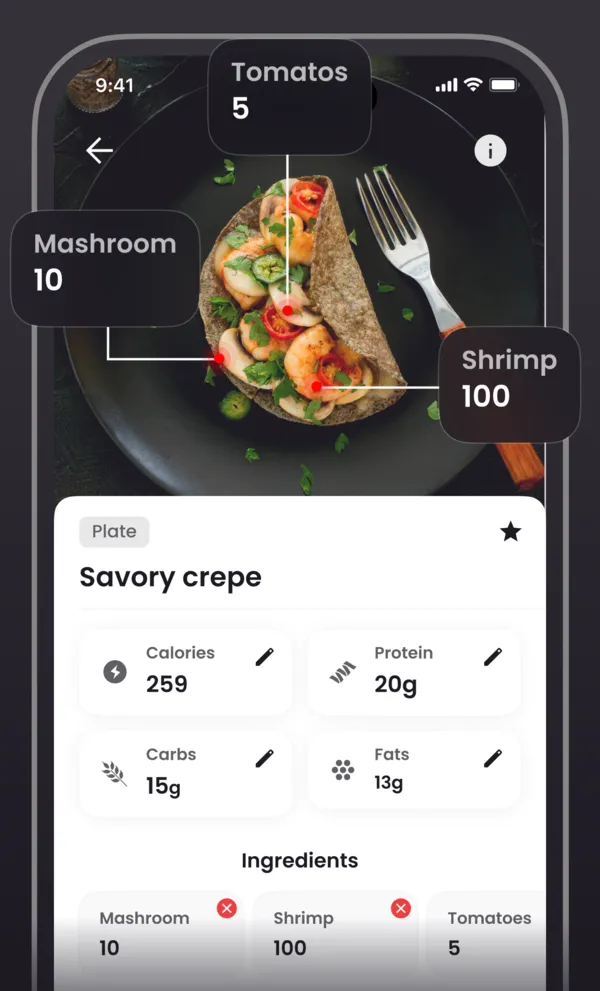
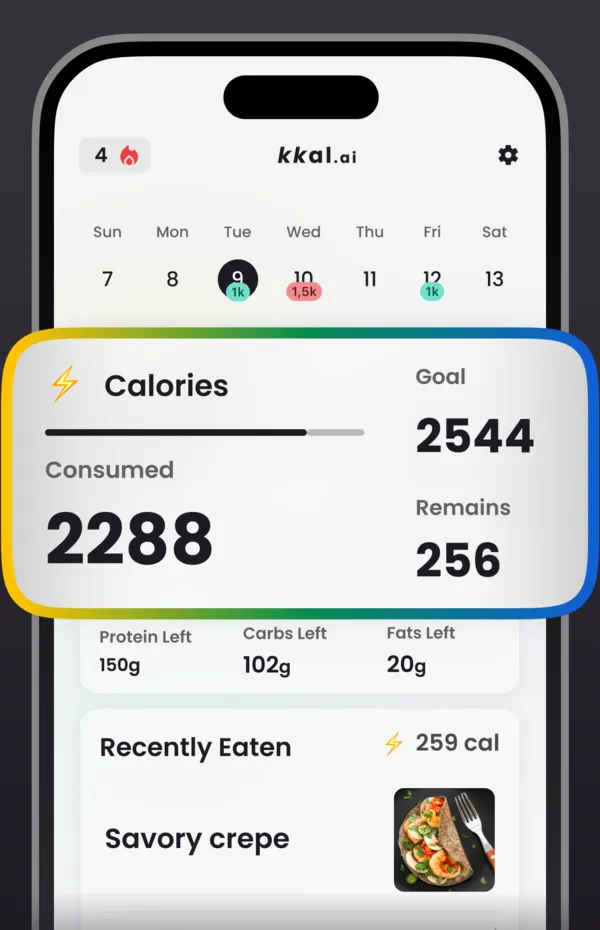
- Write down what you actually ate. A plan on paper is not the same as the plate. Logging the real portions for the first week shows where the menu drifts.
Shopping list for the week
Most of the menu comes from the same basic foods, so one big shop covers it:
- Protein: chicken breast and thigh, turkey breast, salmon, cod, canned tuna in water, lean beef, eggs, low-fat cottage cheese, Greek yogurt 0%, kefir.
- Grains and starches: oats, buckwheat, brown rice, whole wheat pasta, potatoes, whole grain bread.
- Pulses: lentils and chickpeas (dry or canned).
- Vegetables and fruit: cucumbers, tomatoes, cabbage, broccoli, zucchini, bell peppers, carrots, apples, pears, oranges, bananas, berries (frozen are fine).
- Extras: olive or sunflower oil, walnuts, almonds, peanut butter, feta, mozzarella, hummus.
How much weight will you lose in a week?
At a deficit of about 500 kcal a day, expect around 0.5 kg a week on average, which is the lower end of the NHS range of 0.5 to 1 kg. In the first week the scale often drops faster because the body holds less water when you eat fewer carbohydrates and less salt; that is not all fat. Menus that promise 5 kg in a week rely on that water effect and on very low calories that are hard to keep.
Weigh yourself at the same time of day and compare weekly averages, not single mornings. If the average has not moved for two to three weeks, first check your portions and the extras, then lower the target by 100 to 200 kcal. The guide on how to lose weight by counting calories explains how to review the plan week by week.
Common mistakes with a weekly menu
- Eating the menu plus extras. Sauces, a handful of nuts, bites while cooking and sweet coffee drinks are not in the table but still count.
- Cutting calories too hard. A very small menu is hard to keep and usually ends in overeating at the weekend.
- Skipping protein. Protein at every meal keeps you full and helps keep muscle while you lose weight; see how much protein per day you need.
- Judging the plan by one day. Weight goes up and down with water and salt. Look at the trend over two to three weeks.
When to ask a doctor first
This menu is an example for healthy adults. If you have diabetes, kidney or heart disease, a food allergy, an eating disorder, or you are pregnant or breastfeeding, talk to your doctor or a registered dietitian before changing how much you eat. Children and teenagers need a different approach.